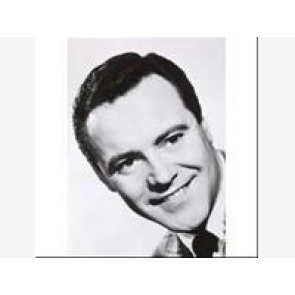
JACK LEMMONThere is no doubt that Jack Lemmon, who died of bladder cancer on June 27, 2001, was one of the most important American actors of his generation.Mr Lemmon, who won frequent accolades for his comic acting, pushed himself so far into the roles he played that he sometimes found himself taking on their character traits.Generous and kind, he was also credited with being one of the nicest actors in Hollywood and inspired many up-and-coming actors.Despite personal problems including alcoholism and a marriage break-up, Mr Lemmon consistently brought solid performances to the films he appeared in and his death - leaving behind his second wife and two children - left a hole in the movie world.Born in the US state of Massachusetts on February 8, 1925, Jack Uhler Lemmon III attended Harvard University before joining the Navy.After being discharged, he decided to pursue acting and gained a bit part in the 1949 film The Lady Takes a Sailor, also enjoying a number of parts in radio soap operas and live TV dramas.Following his debut on the Broadway stage in Room Service in 1953, he signed a contract with Columbia and appeared in his first big role opposite Judy Holliday in It Should Happen to You and then won a part in Phfft!, both in 1954.But Mr Lemmon's talent really came to light when he was cast as the wily Ensign Pulver in the 1955 film Mister Roberts, for which he won the first of his two Oscars, this one as Best Supporting Actor.His talent caught the eye of director Billy Wilder, who cast him in Some Like It Hot in 1959 alongside Marilyn Monroe and Tony Curtis.Despite referring to what he said was Mr Lemmon's habit to overact, he nevertheless grew to be a favourite of his, appearing in subsequent films of Mr Wilder's such as The Apartment and Irma La Douche.A battle with alcohol and a marriage breakup seemed to do little to harm his career, which went from strength to strength after Mr Lemmon started working with actor Walter Matthau, with whom he formed one of film's most popular pairs of all time, making films such as The Odd Couple, The Front Page and Buddy Buddy.He won his second Oscar in 1973 for the film Save the Tiger, becoming the first man ever to win both the Best Supporting Actor and Best Actor awards, and in 1988 the American Film Institute gave him its Lifetime Achievement Award.But Mr Lemmon's film-making years were far from over and he spent many of his last years teaming up with Matthau after the success of 1993's Grumpy Old Men won them legions of younger fans.Although Mr Lemmon was probably best known for his comedy roles, he also played more serious parts with a natural flair, and none more so than the films Save the Tiger and Days of Wine and Roses - which, with their themes of alcoholism, both mirrored parts of his own life.In fact Billy Wilder quoted him as saying he was susceptible to the parts he played, and so if his character had a nervous breakdown, so too would he.But what impressed itself more on the acting world was, as well as being a genuinely good-hearted man, his sheer acting skill and ability to bring hilarity and sadness to films with equal measure.And, in some ways, his personal vulnerability brought to his characters a human touch not easily accomplished; as Mr Lemmon himself put it: "If you really do want to be an actor who can satisfy himself and his audience, you need to be vulnerable. You must reach the emotional and intellectual level of ability where you can go out
Keep me informed of updates